Beneath The Hox: Unearthing Dublin’s Viking Heart on Exchequer Street
The Hoxton, Dublin stands on layers of Viking pits, medieval treasures, and the tidal pool that gave the city its name. This is the tale of the ancient world beneath the lobby floor.
Words: Rebecca Fisher
Dubh Linn: The Black Pool
When The Hoxton opens its doors on Dublin’s Exchequer Street this November, guests will be stepping into a story over a thousand years in the making.
Beneath the polished floors of the restored Victorian building — once the Central Hotel — lies a world of discovery: the remnants of Viking feasts, medieval treasures, and the dark, tidal waters that gave Dublin its name.
During excavations for the hotel’s redevelopment in 2023, archaeologists uncovered large quantities of elder seeds, traces of a tree that thrives in damp, marshy ground.
This fascinating find confirmed what the city’s name has long suggested: that this part of Dublin once bordered a vast tidal pool, filling and emptying with the flow of the River Liffey.
Over 1,200 years ago, that pool’s dark mud and silt earned it the Irish name ‘Dubh Linn’ or ‘The Black Pool.’
The tides once rose and fell on the edge of an ancient harbour, providing safe anchorage for ships, and with it, the beginnings of settlement.
The Hoxton’s Newfound Viking Connections
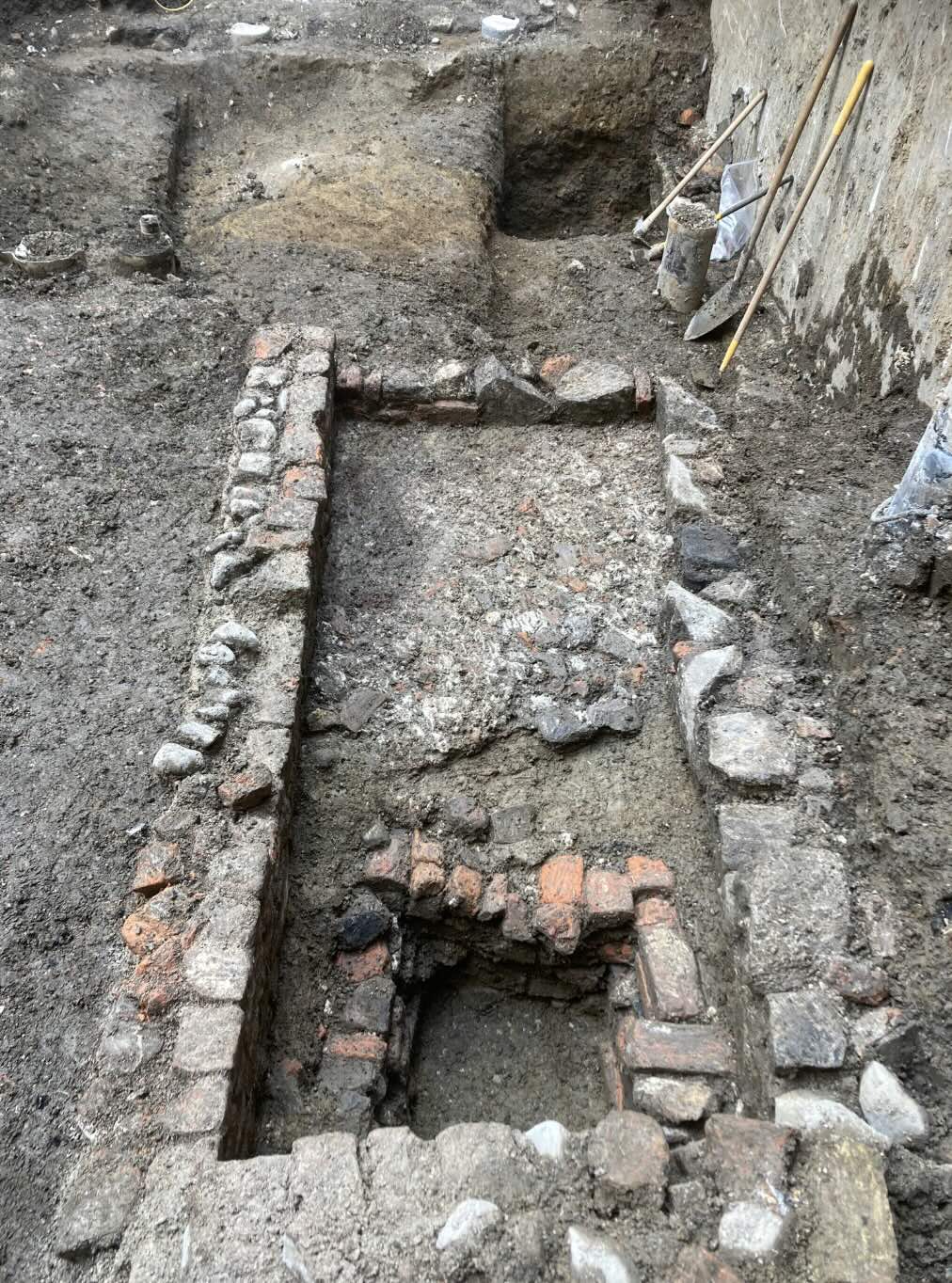
Among the most evocative discoveries beneath the hotel were a cluster of Viking-period pits. One, brimming with animal bones; pig, sheep, and cow, offered a glimpse of a meaty Viking feast. These remains tell of a community that lived, traded, and celebrated at the water’s edge.
From the 790s AD, Vikings used the Black Pool as a base for their longships, a launching point for both raids and commerce. The Hoxton now stands at what was once the beating heart of early Norse Dublin.
Medieval Finds
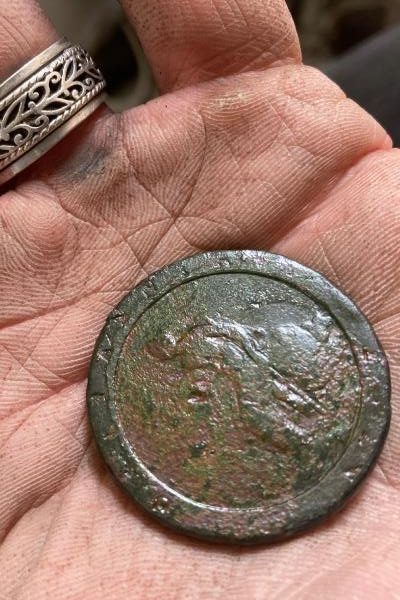
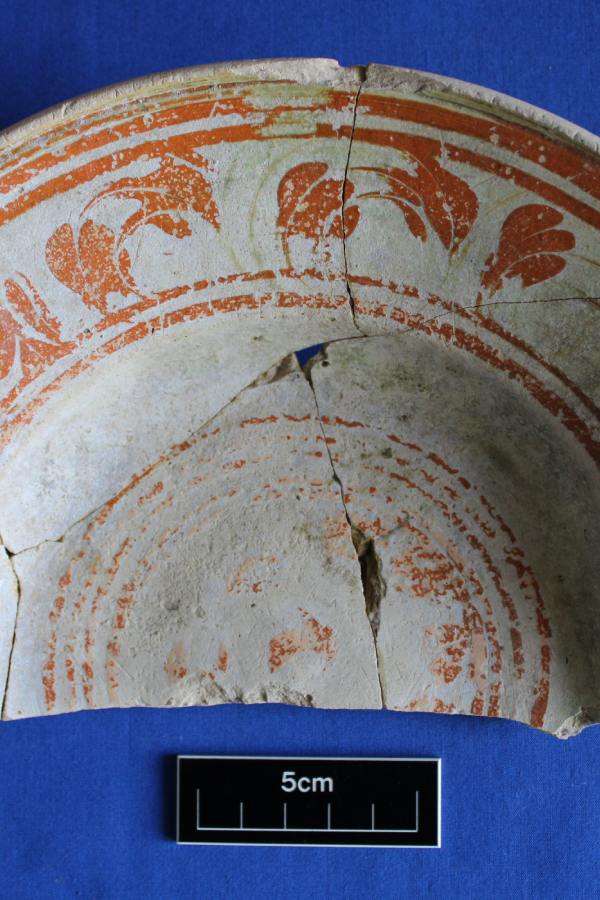
As the archaeologists dug deeper through the city’s layers, they reached the medieval period and uncovered a trove of treasures. Among them, a silver penny of King Edward I, the formidable ‘Longshanks’ and ‘Hammer of the Scots,’ who reigned from 1272 to 1307. Minted in London, the coin likely travelled through the English Exchequer, and was used to pay rents or taxes in the bustling medieval town that succeeded the Viking settlement.
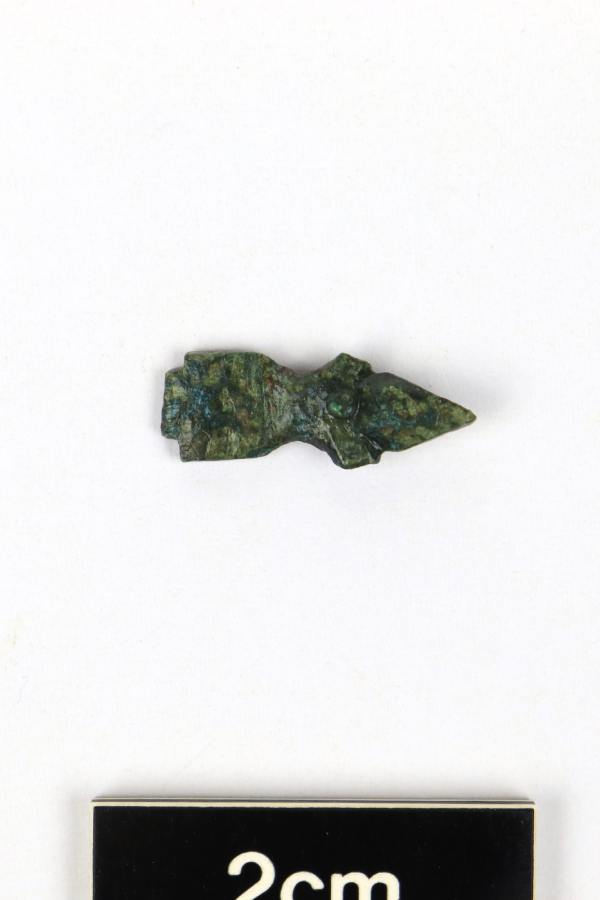
Alongside the coin were delicate metal fittings; clasps and mounts that once adorned leather-bound parchment books belonging to Dublin’s Exchequer, the city’s administrative nerve centre.
Footings of the Past
Beneath the hotel, archaeologists also traced the outlines of early medieval structures that speak of a city slowly emerging from its Norse origins. These remnants of medieval architecture will be interpreted through illustrations and displays within the new hotel, connecting visitors to the lives once lived beneath their feet. According to AIME Studios, the design team behind The Hoxton, Dublin, this display will be presented in a way that is sensitive to the site’s history and “that’s engaging for enthusiasts, but subtle enough for everyone else to simply enjoy the space.”
A Modern Chapter with the The Hoxton, Dublin
After years of anticipation and a few pandemic-era pauses, The Hoxton opens on 20 November. The latest addition to the Hox family occupies the former Central Hotel, a landmark reborn with all the brand’s signature warmth and style.
Eat, Drink, Stay, Discover
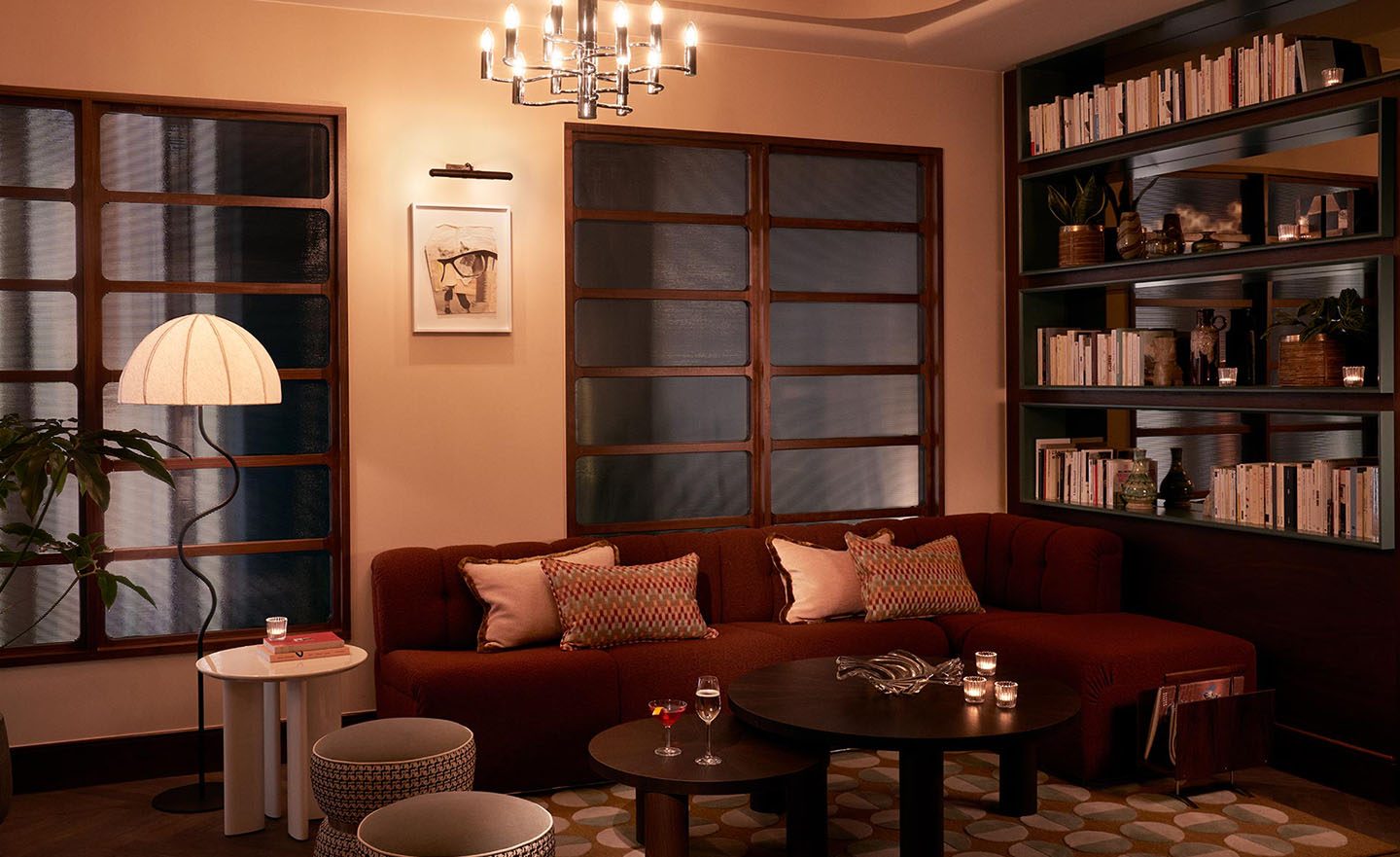
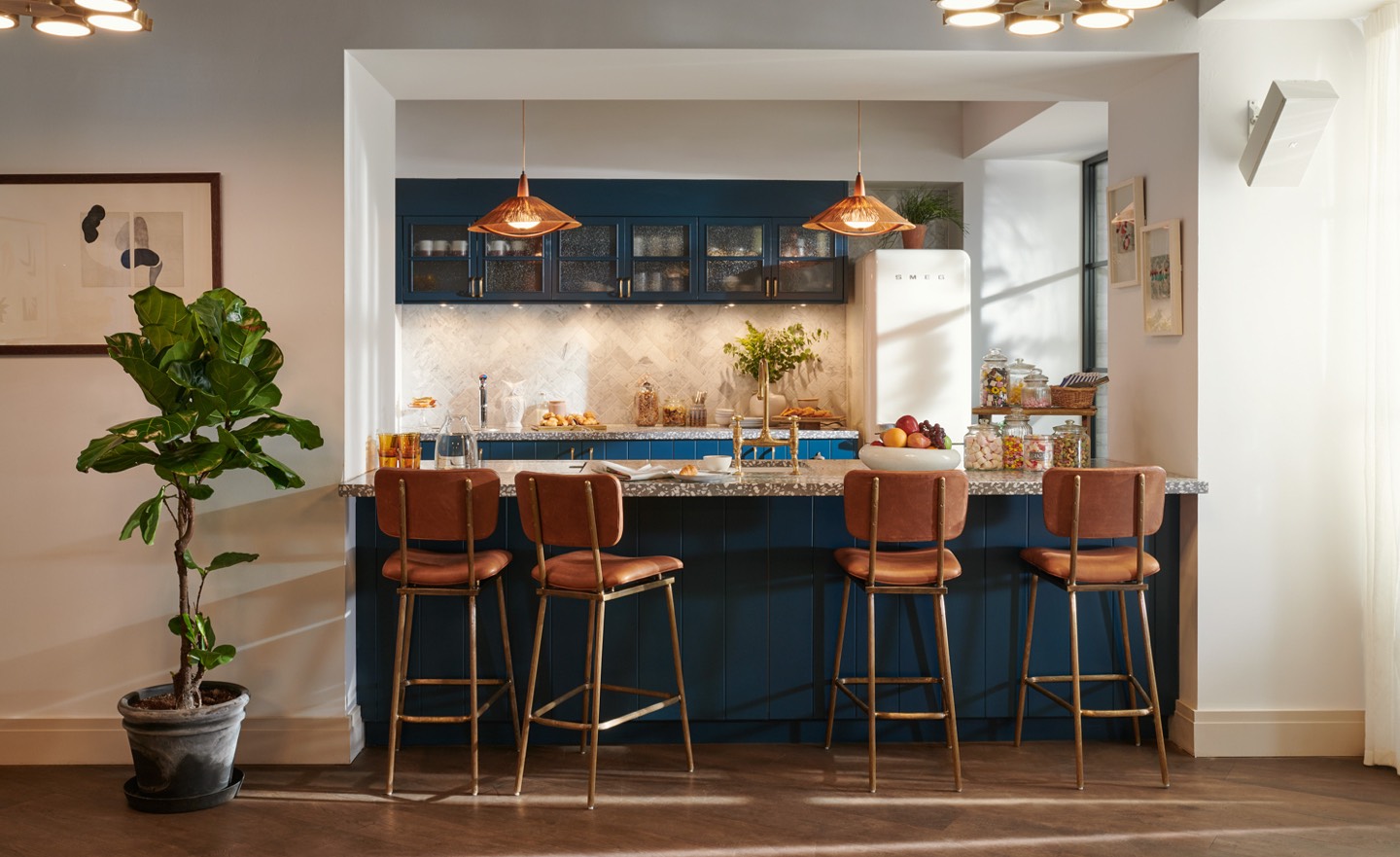
Inside the new building, the vibe is distinctly Dublin; creative, sociable, and steeped in storytelling. The open lobby will hum from morning to night. Dollars, a New York–inspired deli by day, transforms into a natural wine bar after dark, and downstairs, Cantina Valentina brings a Peruvian twist to all-day dining, while a (soon to open) basement nightclub promises unmatched late-night energy.
And for long-time Dubliners, a familiar favourite returns: the much-loved Library Bar, refreshed but still glowing with that same sense of old-world charm. The vast story of Dubh Linn continues – combined with a great cocktail and an illustrious room right upstairs.
Related Stories
Dreamy book browsing to while away the hours in Edinburgh
Follow a writer's footsteps through Edinburgh's inspiring vistas, hidden bookshops, and quiet corners where stories come to life.
Exploring Brussels' Coffee Culture
with OK Coffee's Thomas Wyngaard
In Brussels, coffee is more than just a beverage - it's a journey through flavours, creativity, and local passion. Thomas Wyngaard, owner and founder OK Coffee and a dedicated c...

The Romance Of
London’s Secret Gardens
How to find a moment of quiet – and maybe a little lovin’ – in London’s capital, from the hidden nook in Regent’s Park to a new gem next to Buckingham Palace.